
Pacific Chorale closes We Are Here on Nov 4
October 26, 2026
- October 26, 2026
Pacific Chorale closes We Are Here on Nov 4
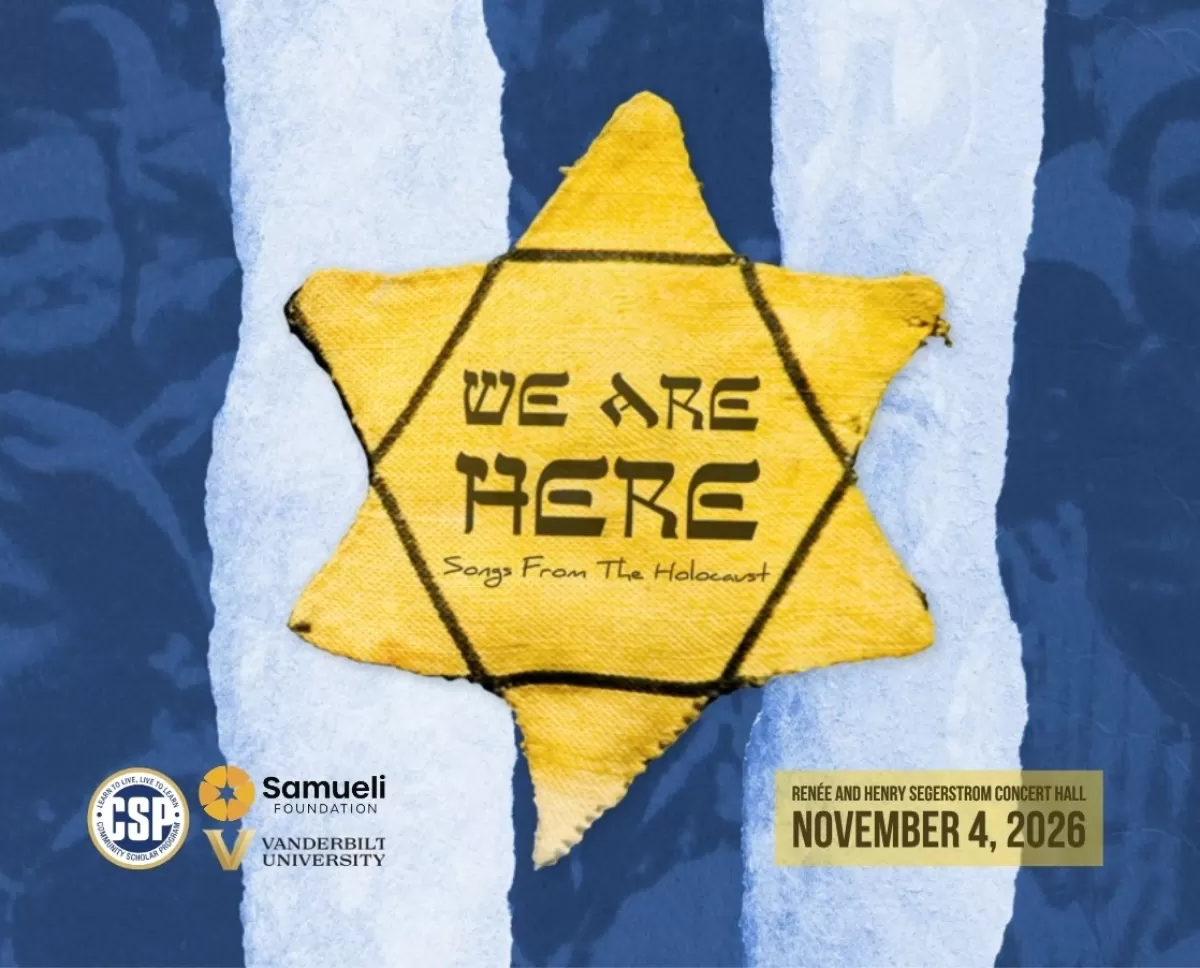 On November 4, Pacific Chorale joins Regina Belle, Mostly Kosher, and a group of artists, faith leaders, and civic voices at Segerstrom Center for the Arts for the West Coast premiere of We Are Here: Songs from the Holocaust. The evening brings together music written in the ghettos and camps of Nazi-occupied Europe, and each song is introduced with the true story of the person who wrote it.
The Chorale closes the program with Jüdischer Todessang (“Jewish Death Song”), in a choral setting by Gary Fry, who conducts. It’s one of the most personal songs on the program, and its survival is a story of its own.
HISTORY BEHIND WE ARE HERE: SONGS FROM THE HOLOCAUST
The songs in We Are Here come from the fourteen Shoah songbooks. These are collections of music written by Jewish prisoners in the ghettos and camps of Nazi-occupied Europe and the former Soviet Union. Many of the writers knew their fate was likely sealed, and they kept writing anyway. Their songs were not a way of escaping. They were acts of defiance and dignity by artists who refused to let their voices be silenced, even in the worst of times.
Martin Rosenberg (1890–1942) was a Jewish composer and conductor born in Poland. In 1939 the Gestapo arrested him in Berlin and sent him to the Sachsenhausen concentration camp. Even there, he made music. Rosenberg formed a secret choir of about 25 to 30 male prisoners. They rehearsed together and eventually gave a concert in Block 39. In a place designed to strip people of their humanity, those men gathered to sing.
In September 1942, Hitler ordered that all Jews in the concentration camps be moved to Auschwitz-Birkenau. Rosenberg sensed that his death was near. He responded by writing one last song. He based it on Tsen Brider (“Ten Brothers”), a Jewish folk song that was known everywhere. In the original, the brothers are lost until only one is left. In Rosenberg’s version, the last brother asks, “Do you remember their names?”
Rosenberg did not write the song down for safekeeping. Instead he taught it, line by line and by rote, to a fellow prisoner: Aleksandr Kulisiewicz, a non-Jewish political prisoner. Rosenberg hoped that if Kulisiewicz survived, he would keep the music alive and bear witness to what had happened.
Rosenberg died in 1942. Kulisiewicz did what he had asked, steadfastly and for the rest of his life, until his own death in 1982. That’s why the song Jüdischer Todessang (“Jewish Death Song”), is still credited today “as sung by Aleksandr Kulisiewicz.”
Songs like this were passed from parent to child and from survivor to student. We Are Here continues that tradition on November 4, days before the 88th anniversary of Kristallnacht, the “Night of Broken Glass,” in an evening of zachor, of remembrance.
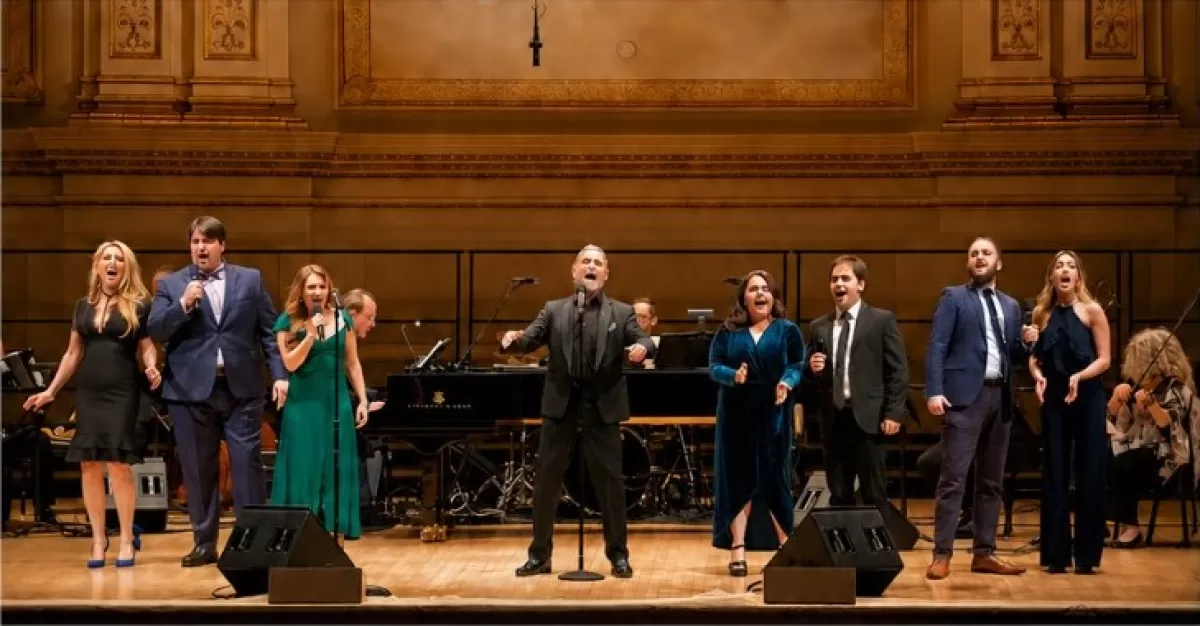
ATTEND THE CONCERT
We Are Here: Songs from the Holocaust
Wednesday, November 4, 2026 | Doors 6:00 p.m. | Concert 7:00 p.m.
Renée and Henry Segerstrom Concert Hall, Costa Mesa
Save 20% | Tickets starting at $37.80 when you use code WAH20 at checkout.
Educators and students save 30% with code EDU30.
Before the concert and at intermission, visit the David Labkovski Project art exhibit in the lobby.