

Who Was Lili Boulanger? The Story Behind Soir sur la Plaine
May 05, 2026
- May 05, 2026
Who Was Lili Boulanger? The Story Behind Soir sur la Plaine

ABOUT THIS ESSAY | This essay on Lili Boulanger was written by Pacific Chorale alumnus C. Leonard Coduti in connection with Pacific Chorale’s performance of Soir sur la Plaine on May 23, 2026. We are grateful to Lee for sharing his scholarship and personal connection to this remarkable work, which he helped bring to Pacific Chorale audiences through a new performance edition of Boulanger’s original choral-orchestral score.
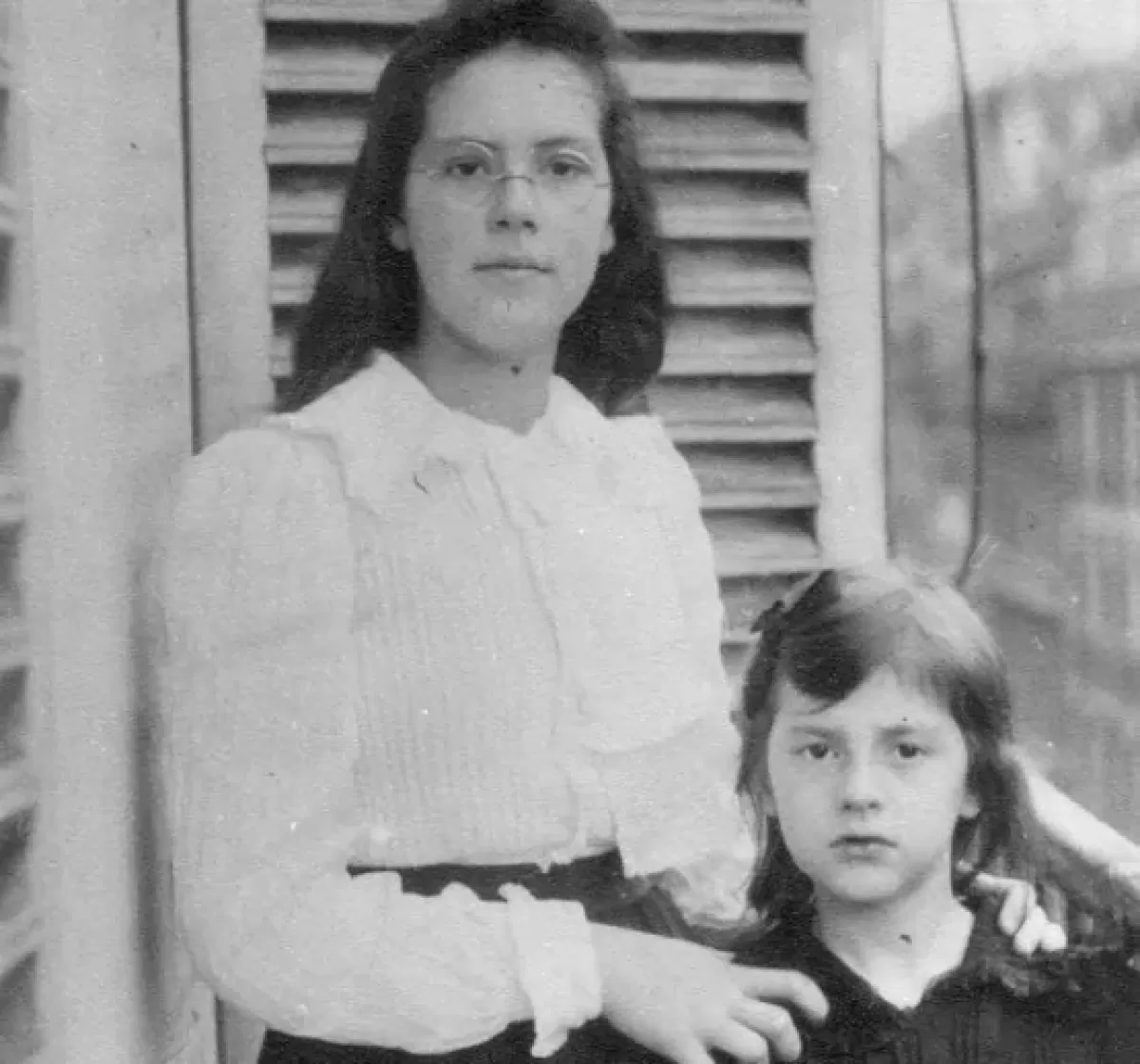 The short but prodigious life of Lili Boulanger (1893-1918) remains one of the most poignant tragedies in French musical history. The younger sister of the eminent pedagogue Nadia Boulanger, Lili demonstrated exceptional musical promise from an early age, despite persistent and ultimately fatal health challenges.
At the age of two, she contracted a severe case of bronchial pneumonia, an illness that nearly proved fatal. Although she recovered, her resistance to disease was permanently compromised. Throughout her life, she suffered from recurrent illnesses, eventually developing a chronic intestinal condition diagnosed at the time as intestinal tuberculosis, or what is known today as Crohn’s disease. This condition profoundly shaped the trajectory of her life, her musical education, and her compositions, and led to her premature death.
Due to her fragile health, her early musical education was erratic. Nevertheless, she became proficient on violin, cello, harp, and piano. She frequently accompanied her sister Nadia to classes at the Conservatoire, auditing several courses despite not being a registered student. She began composing early, completing her first song at the age of thirteen. By 1907 she was writing works with increasing intensity, many of which reflected a pronounced tendency toward religious subjects. As she progressed in her informal studies, she showed an increasing interest in composition. Between 1907 and 1909, she set 4 Psalms and an Ave Maria. These early efforts were destroyed once she commenced her formal compositional training in December 1909.
Given her health limitations, her formal training was mostly through private lessons, and she audited courses at the Conservatoire as her health permitted. During this period, she concentrated on compositional technique, particularly fugue, choral writing, and orchestration, as she set her sights on entering the Prix de Rome competition.
The Prix de Rome was an exceptionally demanding competition, both artistically and physically. Winning the Prix de Rome meant immediate national prominence and international recognition. The competition consisted of two stages: a preliminary elimination round and a final round.
In the preliminary round, the contestants were placed in isolation for five days and required to compose a fugue on a subject dictated to the contestant, as well as a setting for chorus and orchestra of a text, usually a poem by a contemporary poet, also dictated. From this round, six candidates were selected to advance.
The final round lasted one month and required the contestants, again working in isolation, to compose a cantata for soloists and orchestra on the assigned text. These works were judged by a committee of leading French composers. The winners were named in a formal event; two prizes were awarded, a First Grand Prize and a Second Grand Prize. The Grand Prize winner was awarded a monetary stipend and a three-year residency at the Villa Medici in Rome, during which they would compose works to be performed upon completion of the residency.
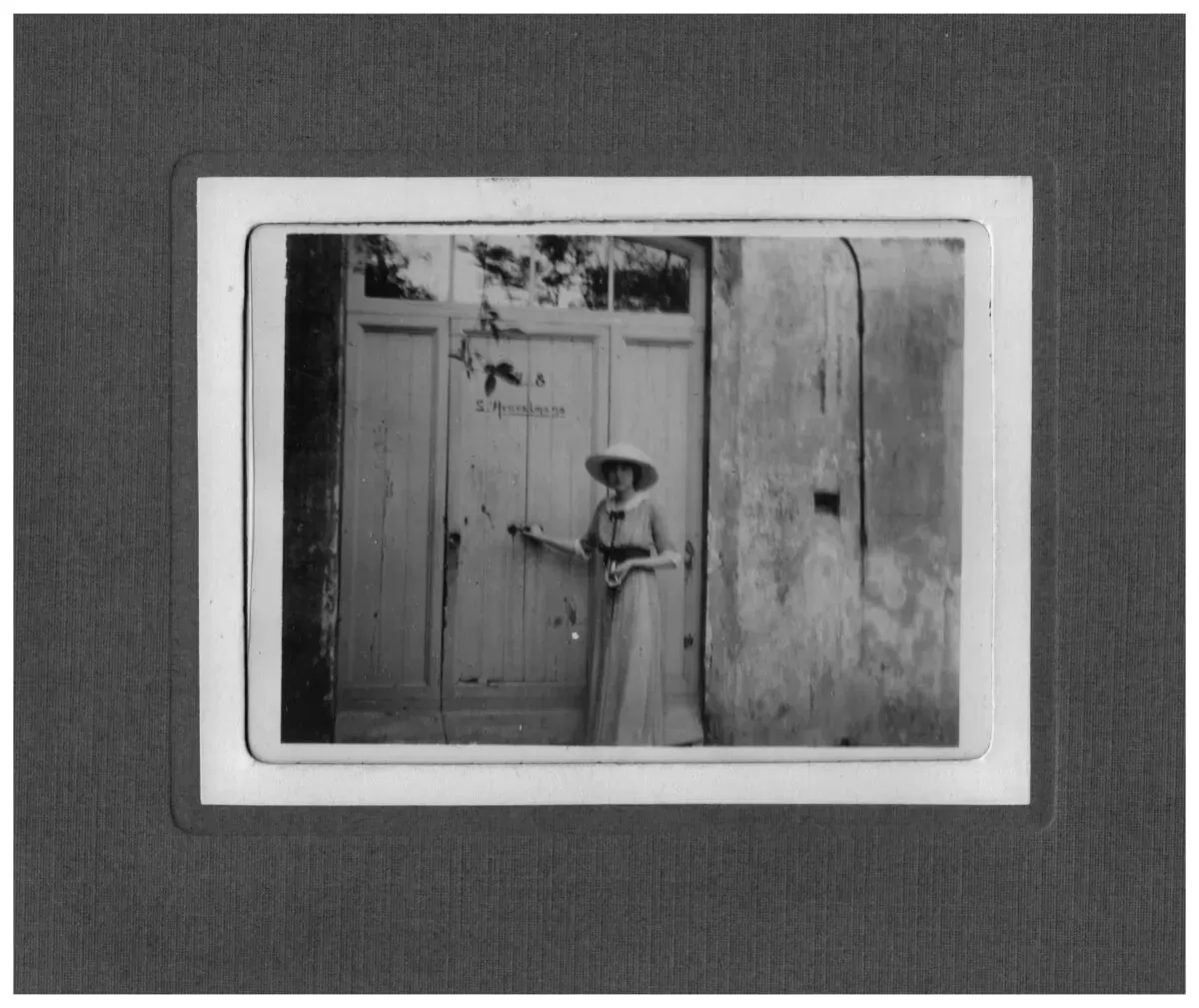 Against the advice of friends and family, Lili entered the Prix de Rome competition of 1912. During the preliminary round, Lili became increasingly ill, but managed to finish the fugue and chorus. She subsequently withdrew from the competition for health reasons, but this was not publicly disclosed. It is interesting that the remaining contestants’ submissions in the final round were judged to be of such poor quality that no First Grand Prize was awarded that year.
Undeterred, Lili spent the next year refining her compositional skills by setting numerous cantata texts to music. In May 1913, she again participated in the preliminary round of the Prix de Rome competition. She completed the required fugue, and her chorus, Soir sur la Plaine, on a text by Albert Samain, earned her advancement into the final round.
Her cantata for the final round, Faust et Hélène, was widely acclaimed as the finest submission in many years. Although respectful of the aesthetic expectations of the committee, her cantata revealed remarkable originality, expressive sensibility, and exceptional orchestration comparable to the foremost composers of her generation. Her unanimous award of the First Grand Prize constituted a landmark moment in the history of the competition: she became the first woman to receive this highest award in composition. The honor not only affirmed her artistic authority but also secured her immediate prominence within Parisian musical circles.
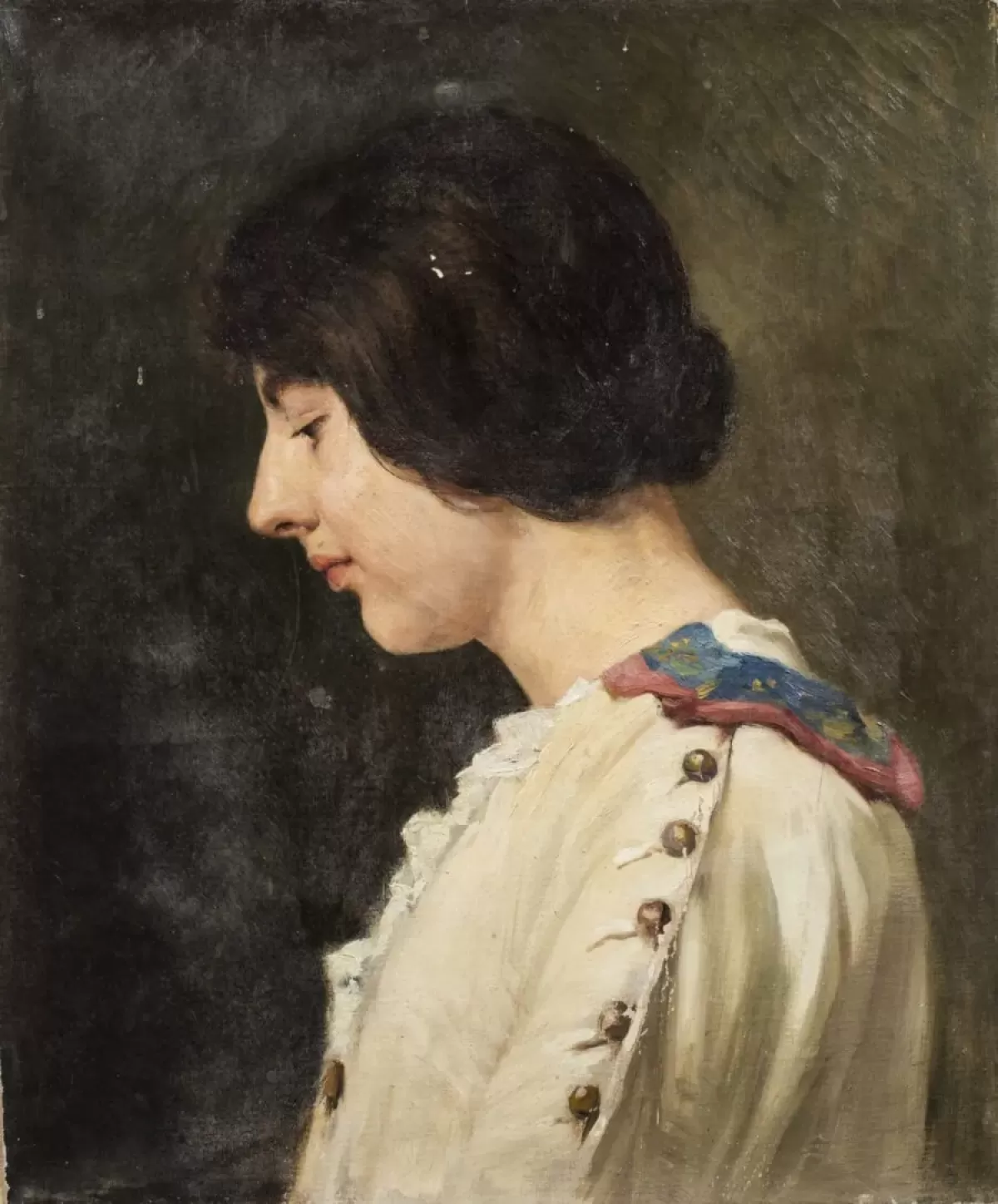 The sudden demands of celebrity brought many changes to her life, placing considerable strain on her already fragile health. Her works were frequently performed, and she maintained an intense schedule of performances and social engagements. In addition, she entered into an exclusive contract with the Italian music publishing house of Ricordi, which required extensive preparation and proofreading of her compositions for publication.
By early 1917, the demands on Lili began to greatly affect her health. On July 30, physicians performed an appendectomy in an attempt to alleviate some of her pain and suffering. Although this offered temporary relief, her health remained stable for several months. She had not composed since May, barely managing a few letters to friends and some walks in the gardens at Gargenville, where she was recuperating. Regaining some strength, she returned to composing in October in an effort to finish her opera, La Princesse Maleine.
In December 1917, her condition worsened significantly. Determined to continue composing, she completed two chamber versions and an orchestral version of D’un Soir Triste (From a Sad Evening). Her final signed document, dated January 29, 1918, is her transfer of publishing rights of eight of her compositions to Ricordi.
By mid-January, she was bedridden and unable to write; she continued to compose by dictating music, note by note. In February 1918, she summoned her sister Nadia to her bedside to dictate her last composition, Pie Jesu, for soprano, string quartet, harp, and organ.
On March 15, 1918, at the age of 24, Lili Boulanger died, prematurely ending one of the most promising composition careers of the 20th century. At the time of her death, she had already achieved international recognition. Her musical language, characterized by bold harmonies, emotional intensity, and refined orchestration, was well ahead of its time. Her influence has been noted in the works of composers such as Arthur Honegger, especially Le Roi David, Maurice Ravel, Gustav Holst, and Olivier Messiaen. Nadia Boulanger devoted her life to preserving and promoting her sister’s legacy.
Today, the Nadia and Lili Boulanger International Foundation continues this mission by fostering performances, recordings, new editions, and scholarly engagement with Lili Boulanger’s works, and by providing scholarships to musicians, composers, performers, and musicologists of all nationalities.